MaroggiaMaroggiaMaroggia
Centrale idroelettricaHydroelectric power plantWasserkraftwerk
La centrale idroelettrica di Maroggia
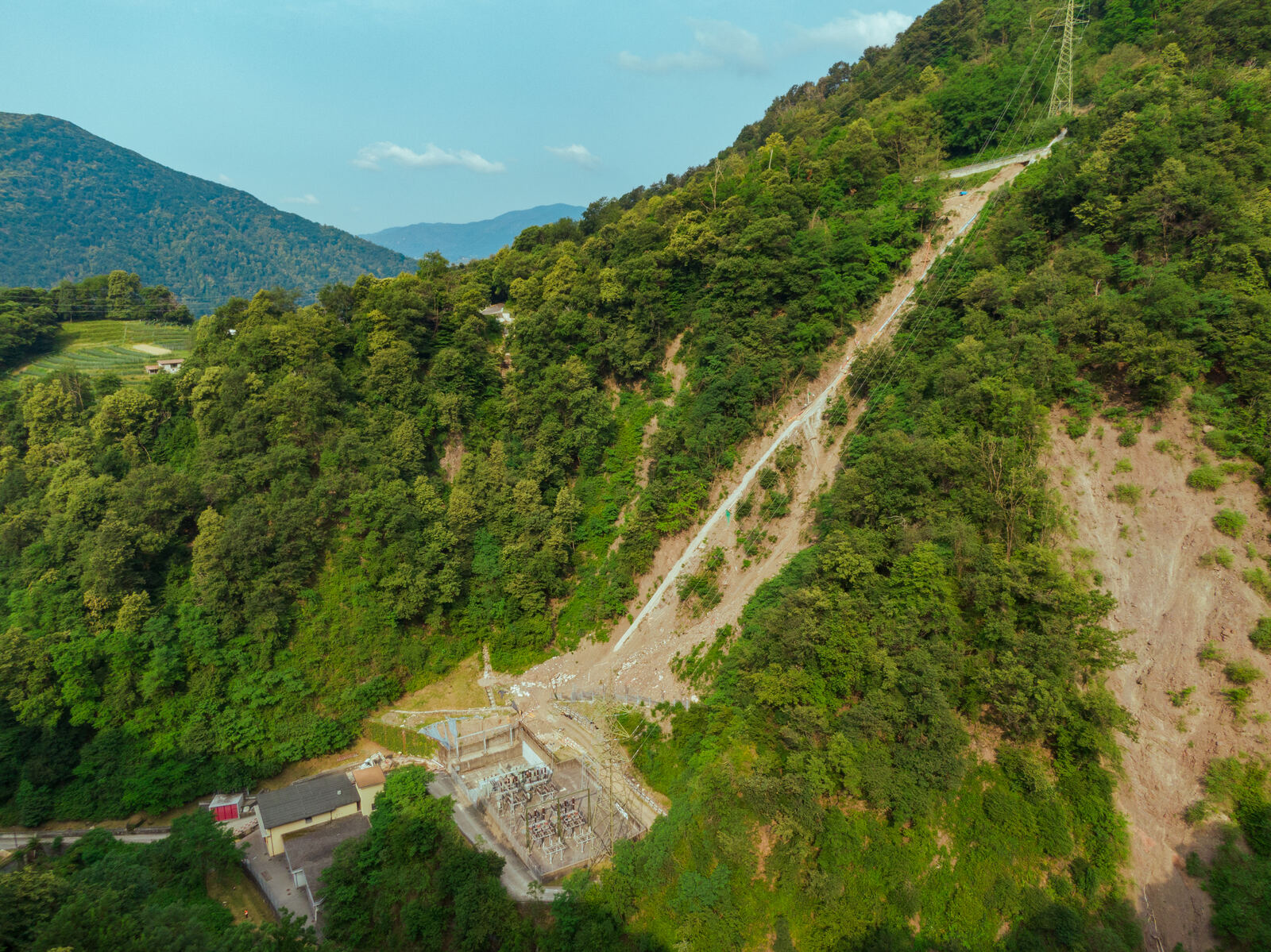
Una piacevole passeggiata lungo il torrente Mara conduce in fondo alla valle dove sorge la centrale idroelettrica di proprietà di AIL (Aziende Industriali di Lugano SA).
Una storia cominciata nel 1889
Val Mara è stata la prima centrale del Sottoceneri, seconda in Ticino solamente alla centrale di Faido. Costruita dalla ditta Bucher-Durrer nel 1889, serviva inizialmente ad alimentare la trazione della Funicolare del San Salvatore. Nel 1890, portò l'energia elettrica anche in Piazza della Riforma a Lugano.
Val Mara produce energia elettrica generata grazie allo sfruttamento delle acque carsiche che scaturiscono dalle sorgenti di Arogno: in particolare la sorgente “Bossi” e la sorgente “Cà del Ferée”, alle falde del Monte Generoso. L'acqua prelevata dalle sorgenti è convogliata in un canale per quasi 3 chilometri fino a Maroggia, dove la condotta forzata la porta alla centrale idroelettrica.
I lavori di ristrutturazione
Nel 2023 sono stati effettuati dei lavori di revisione e manutenzione, necessari per garantire in futuro il corretto funzionamento e ridurre allo stesso tempo la possibilità di guasti della centrale.
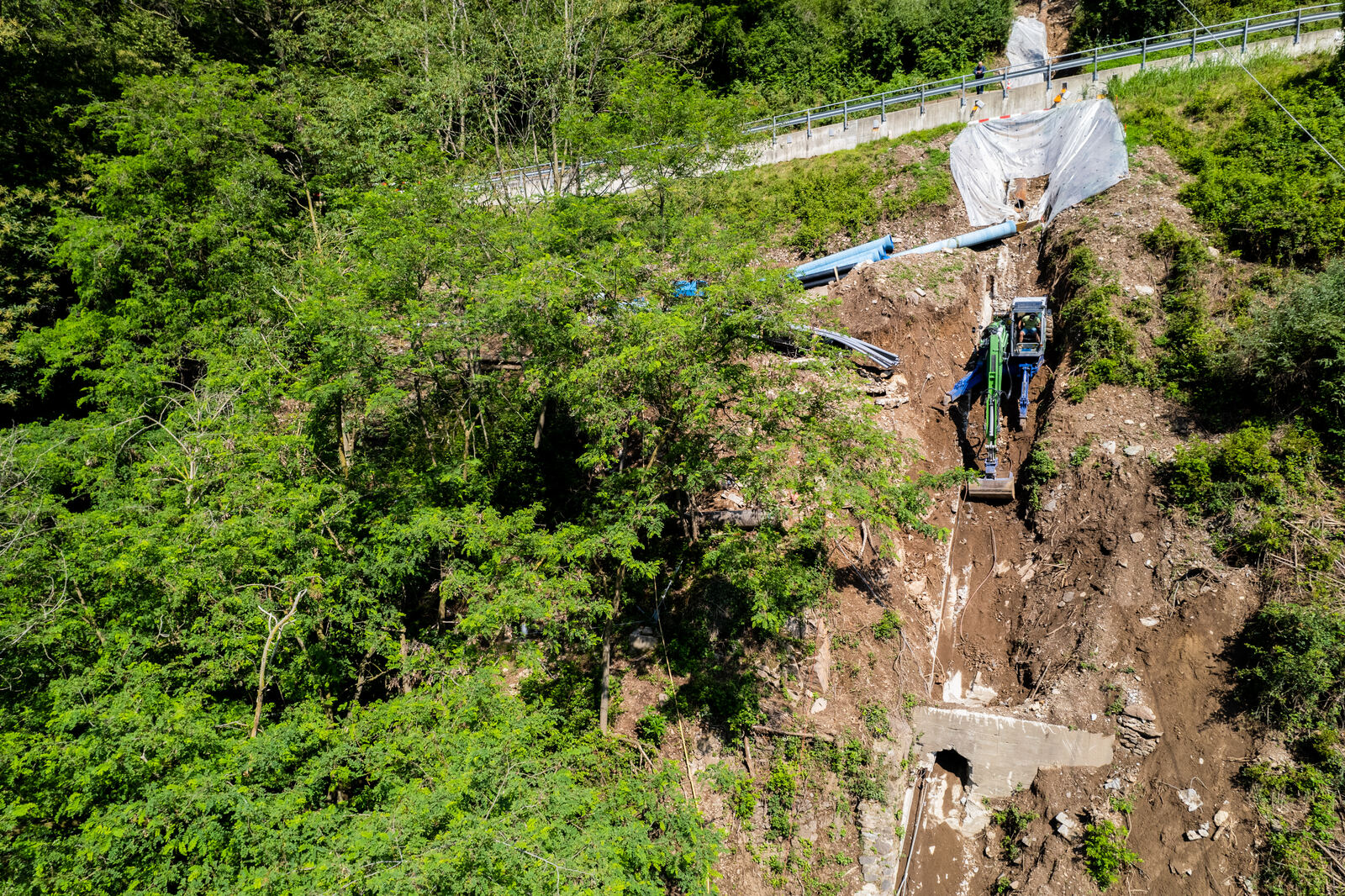
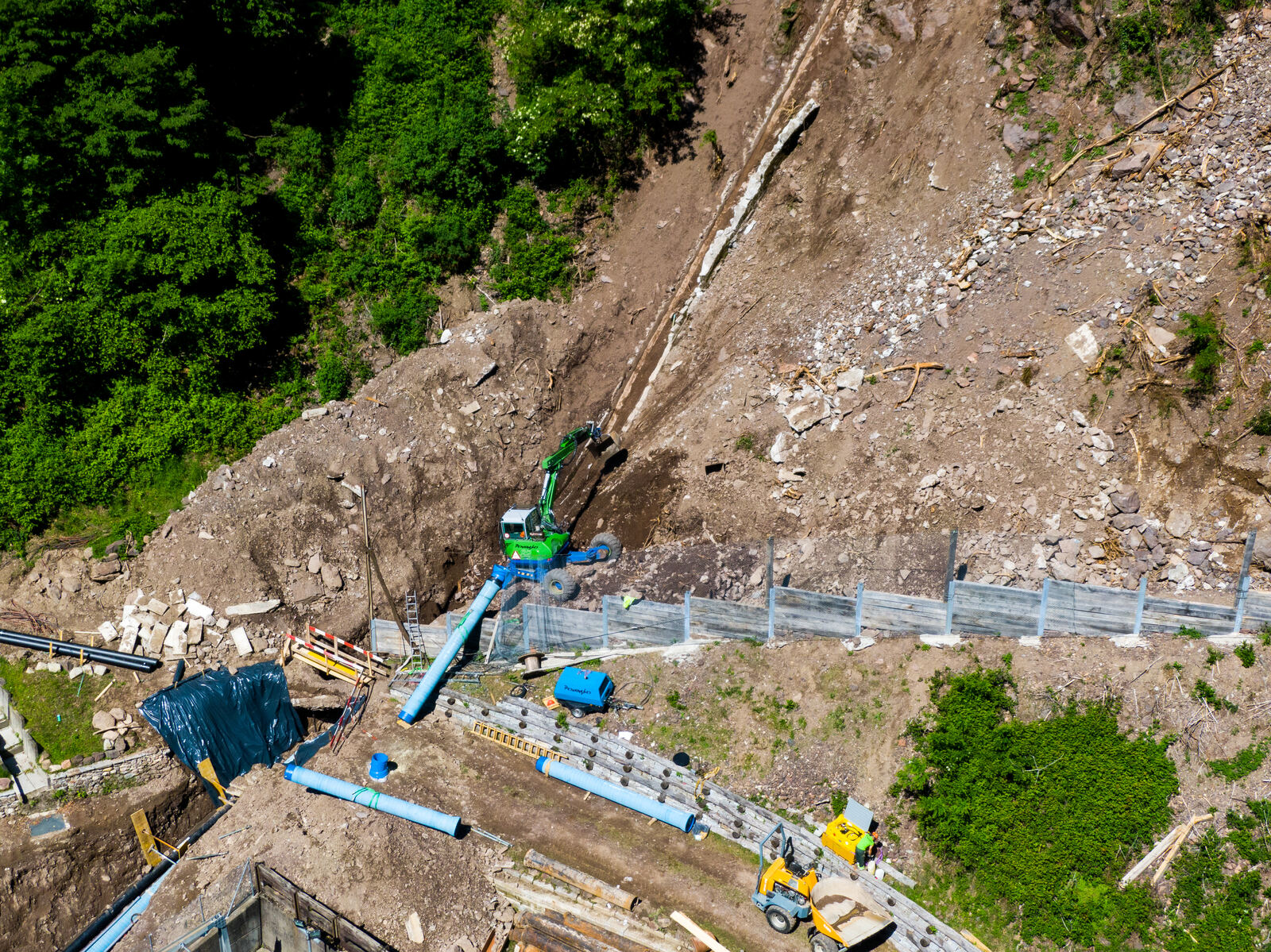
In particolare, in una zona con oltre il 100% di pendenza, è stata posata una nuova condotta in ghisa, che ha sostituito la vecchia condotta forzata, e una nuova condotta in HDPE (polietilene ad alta densità). Quest'ultima viene utilizzata quale troppo pieno, una sorta di condotta di scarico che ributta l'acqua nel fiume in caso di esubero.
Un altro importante intervento riguarda il risanamento della vasca di accumulo dove, grazie ad uno speciale trattamento superficiale, è stato possibile sigillare tutte le crepe garantendo l'impermeabilità della vasca.
Anche la parte elettromeccanica della centrale è stata totalmente automatizzata. Questo garantirà un leggero miglioramento a livello di produzione energetica dell'impianto.
La produzione di energia elettrica
Mediamente la centrale produce circa 5,6 milioni di kWh l'anno di energia idroelettrica rinnovabile certificata, che copre il fabbisogno di ben mille economie domestiche.
The Maroggia hydroelectric power plant
A pleasant walk along the Mara stream leads to the head of the valley, where the hydroelectric plant owned by AIL (Aziende Industriali di Lugano SA) stands.
A story that began in 1889
Val Mara was the first power plant in the Sottoceneri and the second in Ticino after the Faido plant. Built by the Bucher-Durrer company in 1889, it initially powered the San Salvatore funicular. In 1890 it also brought electricity to Piazza della Riforma in Lugano.
Val Mara generates electricity from the karst waters that rise from the Arogno springs, in particular the “Bossi” and “Cà del Ferée” springs at the foot of Monte Generoso. The water drawn from the springs is channelled for almost 3 kilometres to Maroggia, where the penstock carries it down to the plant.
The renovation works
In 2023 overhaul and maintenance works were carried out, necessary to guarantee correct operation in the future and at the same time reduce the risk of breakdowns at the plant.
In particular, in an area with a gradient of over 100%, a new cast-iron pipe was laid to replace the old penstock, together with a new HDPE (high-density polyethylene) pipe. The latter serves as an overflow, a kind of discharge pipe that returns surplus water to the river.
Another important intervention was the restoration of the storage basin where, thanks to a special surface treatment, all the cracks could be sealed, making the basin watertight.
The electromechanical part of the plant was also fully automated. This will bring a slight improvement in the plant’s energy output.
Electricity production
On average the plant produces about 5.6 million kWh a year of certified renewable hydroelectric energy, enough to cover the needs of a thousand households.
Das Wasserkraftwerk von Maroggia
Ein angenehmer Spaziergang dem Bach Mara entlang führt ans Ende des Tals, wo das Wasserkraftwerk von AIL (Aziende Industriali di Lugano SA) steht.
Eine Geschichte, die 1889 begann
Val Mara war das erste Kraftwerk des Sottoceneri und im Tessin das zweite nach dem Kraftwerk von Faido. Es wurde 1889 von der Firma Bucher-Durrer gebaut und diente zunächst dem Antrieb der Standseilbahn auf den San Salvatore. 1890 brachte es den elektrischen Strom auch auf die Piazza della Riforma in Lugano.
Val Mara erzeugt Strom aus dem Karstwasser der Quellen von Arogno, insbesondere der Quellen «Bossi» und «Cà del Ferée» am Fuss des Monte Generoso. Das gefasste Wasser wird in einem Kanal fast 3 Kilometer weit bis nach Maroggia geleitet, wo die Druckleitung es zum Kraftwerk bringt.
Die Sanierungsarbeiten
2023 wurden Revisions- und Unterhaltsarbeiten durchgeführt, die nötig sind, um den einwandfreien Betrieb auch in Zukunft zu gewährleisten und zugleich die Störungsanfälligkeit des Kraftwerks zu verringern.
Insbesondere wurde in einem Abschnitt mit über 100 % Gefälle eine neue Gussrohrleitung verlegt, die die alte Druckleitung ersetzt, dazu eine neue Leitung aus HDPE (Polyethylen hoher Dichte). Letztere dient als Überlauf, eine Art Entlastungsleitung, die überschüssiges Wasser in den Fluss zurückführt.
Ein weiterer wichtiger Eingriff betraf die Sanierung des Speicherbeckens, dessen Risse dank einer speziellen Oberflächenbehandlung vollständig abgedichtet werden konnten, sodass das Becken wieder wasserdicht ist.
Auch der elektromechanische Teil des Kraftwerks wurde vollständig automatisiert. Das bringt eine leichte Verbesserung der Energieproduktion der Anlage.
Die Stromproduktion
Im Durchschnitt erzeugt das Kraftwerk rund 5,6 Millionen kWh zertifizierten erneuerbaren Strom pro Jahr, womit der Bedarf von gut tausend Haushalten gedeckt wird.