
QuartieriDistrictsQuartiere
MelanoMelanoMelano
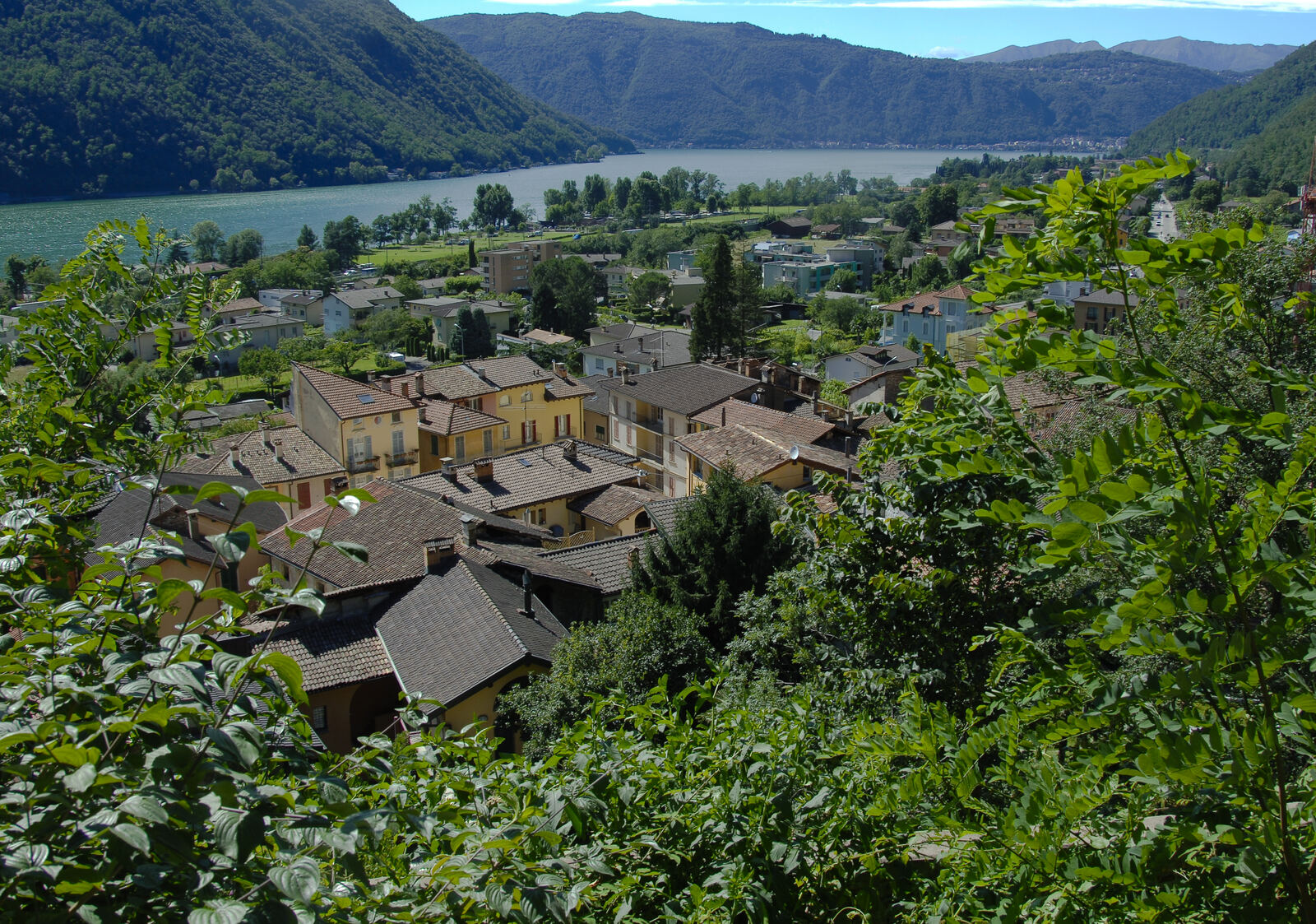
Da vedereHighlightsSehenswert
Luoghi del quartierePlaces in the districtOrte im Quartier
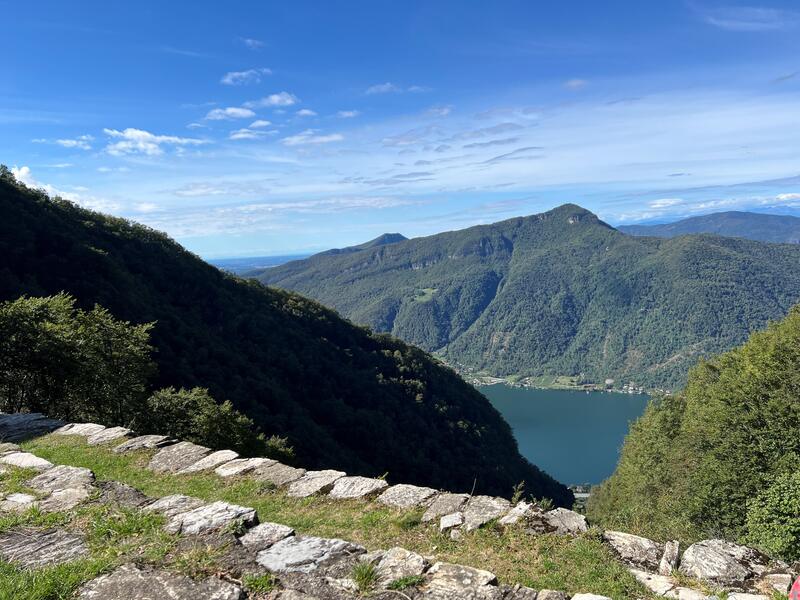 Alpe di MelanoAlpe di MelanoAlpe di MelanoMelanoMelanoMelano
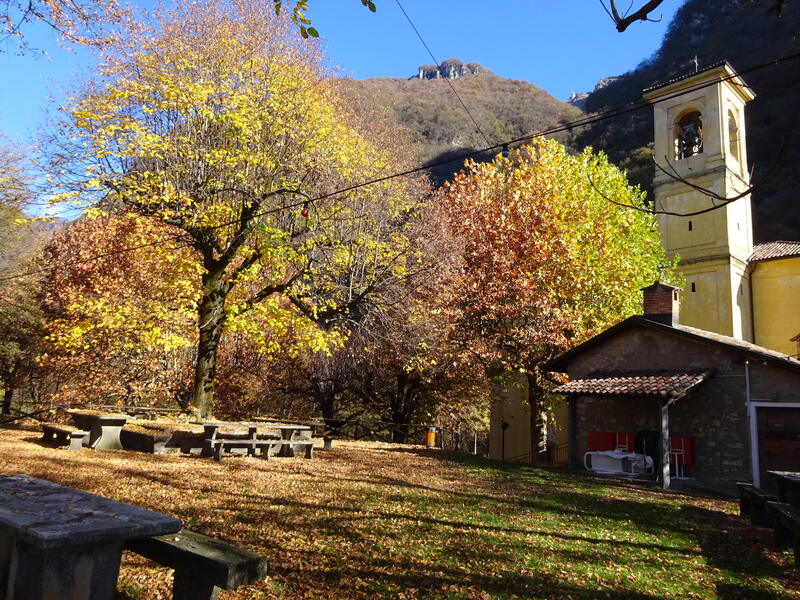 Chiesa Madonna del CastellettoMadonna del Castelletto ChurchKirche Madonna del CastellettoMelanoMelanoMelano
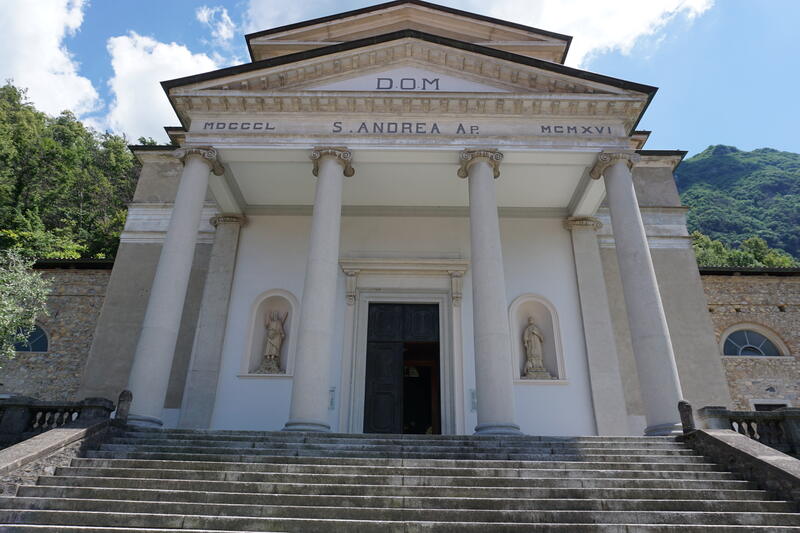 Chiesa St. AndreaSt Andrew's ChurchKirche St. AndreaMelanoMelanoMelano
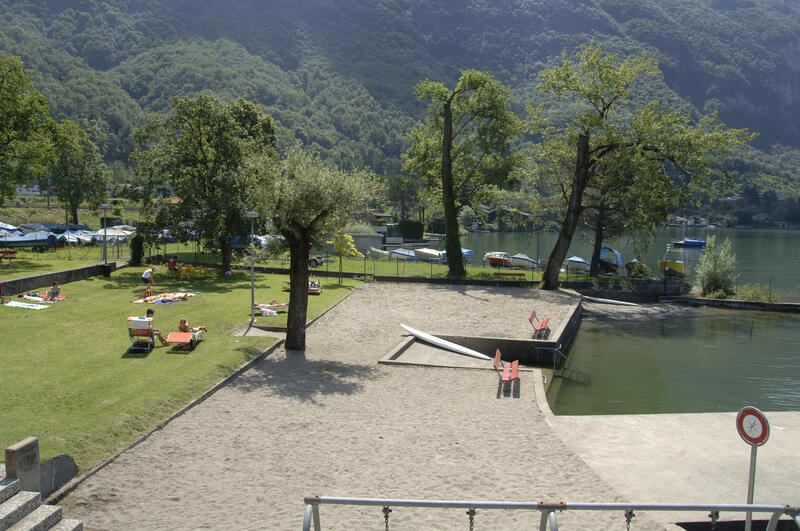 Lido MelanoLido MelanoLido MelanoMelanoMelanoMelano
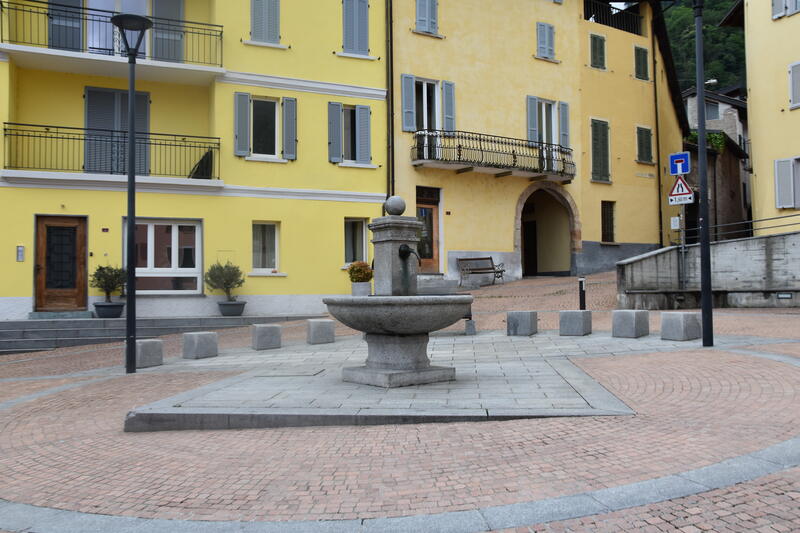 Piazza G. MottaPiazza G. MottaPiazza G. MottaMelanoMelanoMelano
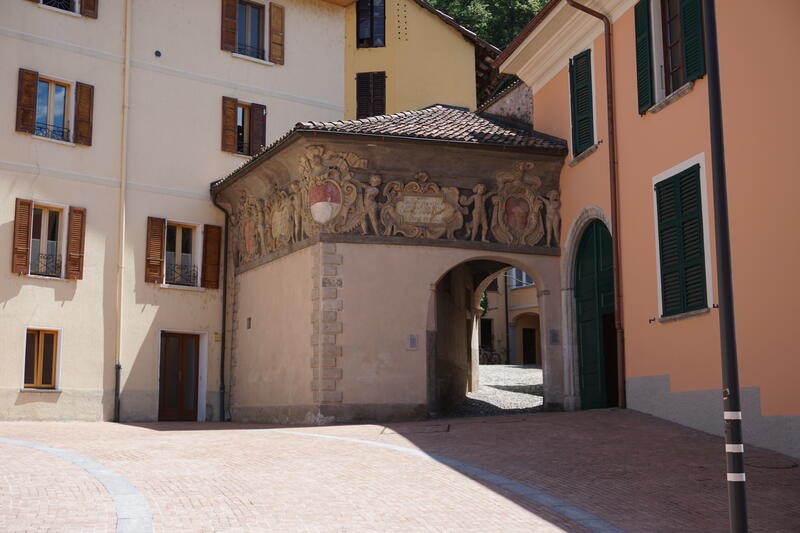 Portico PolattaPolatta PorticoPortico PolattaMelanoMelanoMelano
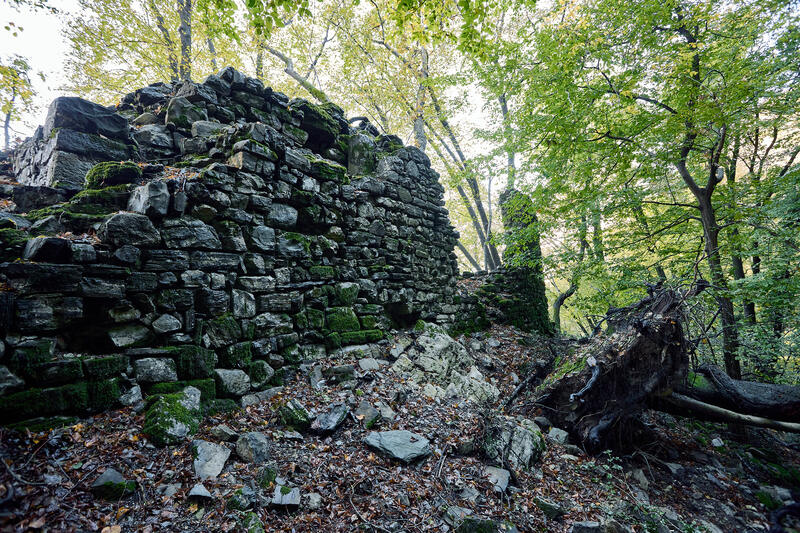 Ruderi del CastellaccioCastellaccio ruinsRuine CastellaccioMelanoMelanoMelano
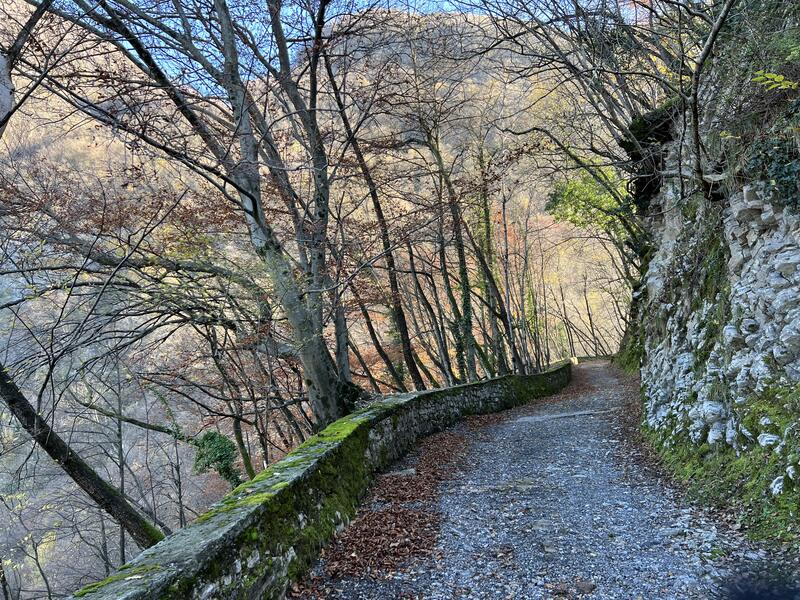 Strada Madonna del CastellettoMadonna del Castelletto roadStrasse Madonna del CastellettoMelanoMelanoMelano
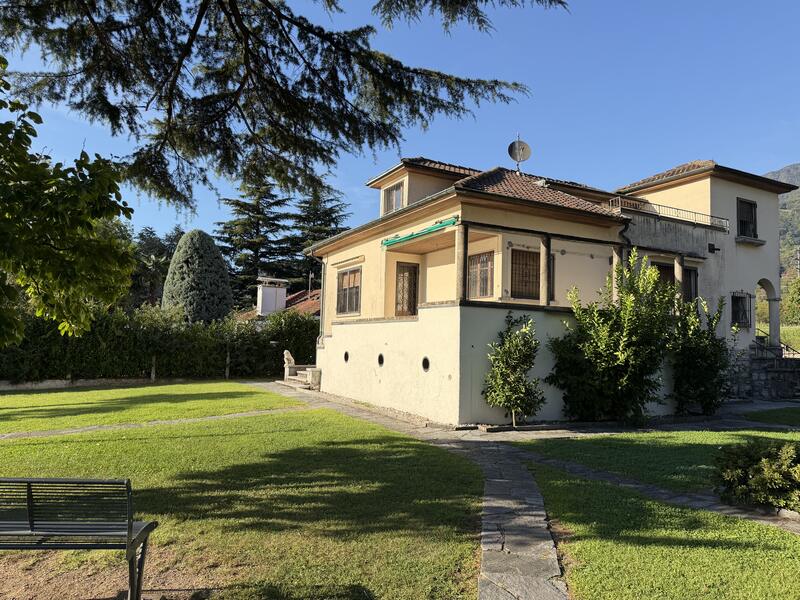 Villa Santa LuciaVilla Santa LuciaVilla Santa LuciaMelanoMelanoMelano
Apri la mappa del quartiereOpen the district mapQuartierkarte öffnen
Nella storia…
L’antichità di Melano è confermata dal ritrovamento di una necropoli romana con una trentina di tombe. A partire dal 799 sono a più riprese documentati beni e possedimenti a Melano tra i quali, nell’847, quelli dell’abbazia di Sant’Ambrogio di Milano. Durante la decennale guerra tra Como e Milano (1118-1127) il suo sistema fortificato, costruito dai comaschi e completato da una torre di legno a difesa delle rive, ebbe un ruolo importante. Al Castelletto, dove oggi sorge il Santuario dedicato alla Madonna, fu eretto un primo castello, distrutto nel 1340 da uno scoscendimento del Monte Generoso. Del secondo, costruito in località Castellaccio sull’antico collegamento per Capolago e demolito dai Confederati all’inizio del XVI secolo, sono ancora visibili i ruderi di una torre e di un muro di cinta.
Il lago, oltre ad essere la principale via di comunicazione sia in direzione di Lugano, con il suo importante mercato, che di Como, riferimento religioso e giuridico, fu fondamentale per l’economia di Melano, basata per secoli sulla pesca parallelamente all’agricoltura, alla silvicoltura e all’allevamento. Le pur sempre magre risorse spingevano all’emigrazione periodica che, anche per Melano come per gli altri villaggi del Mendrisiotto, vide l’esodo di insigni artisti che hanno lasciato tracce della loro opera in tutta Europa: gli Stella, i Polatta, i Melana, i Gianola, i Bonetti, i Brenni, i Cremonini e altri ancora.
In epoca moderna, per l’economia locale divennero importanti la fabbrica di filatura della seta, aperta nel 1840, e la fabbrica di tannino, che iniziò l’attività nel 1928. La Tannini Ticinesi SA estraeva questo prodotto, utilizzato per la conciatura del cuoio, dal castagno. La fabbrica, che dava lavoro a una settantina di operai, chiuse i battenti nel 1964 a causa della concorrenza italiana, dell’introduzione del tannino artificiale, dell’importazione dall’America del sud di legname molto più economico del castagno locale e, infine, per via dell’inquinamento prodotto. Gli edifici abbandonati furono demoliti nel 1987. L’altissima ciminiera, che per anni campeggiò isolata sulle rive del lago, divenendo un elemento caratteristico del paesaggio, sopravvisse fino al 2003.
Through history…
Melano’s antique status has been confirmed with the discovery of a Roman necropolis containing thirty tombs. From 799 onwards records were kept of assets and possessions at Melano including, in 847, those of the Abbey of Sant’Ambrogio di Milano. During the ten-year war between Como and Milan (1118-1127), Melano’s system of fortifications built by the Comaschi, complemented with a wooden tower for defending the shores of the lake, played an important role. At Castelletto, the first castle was built at the place where today stands the Sanctuary dedicated to the Madonna. The castle was destroyed in 1340 by a landslide from Mount Generoso. The second castle was built in the town of Castellaccio on the ancient road that runs through Capolago, and was demolished by confederates at the beginning of the 16th century. You can still see the ruins of a tower and the outer wall.
The lake, as well as being the main link to Lugano, with its important market at Como and its religious and legal references, was crucial to the Melano economy, which was for centuries based on fishing, together with agriculture, forestry and livestock farming. As for other villages in the Mendrisio region, meagre resources caused periodic emigration even for Melano, which saw the exodus of outstanding artists who have left traces of their work throughout Europe: Stella, Polatta, Melana, Gianola, Bonetti, Brenni, Cremonini and many more.
More recently, the main source of local economy became the silk weaving factory, which opened in 1840, and the tannin factory, which began operation in 1928. The product used by Tannini Ticinesi SA for tanning leather was taken from the chestnut tree. The factory, which employed some seventy workers, closed its doors in 1964 due to Italian competition, the introduction of artificial tannin, imported timber from South America that much cheaper than the local chestnut and, finally, because of pollution. The abandoned buildings were demolished in 1987. The high chimney, which for years stood isolated by the shores of the lake, becoming a feature of the landscape, survived until 2003.
Aus der Geschichte …
Das hohe Alter von Melano bestätigt der Fund einer römischen Nekropole mit rund dreissig Gräbern. Ab 799 sind wiederholt Güter und Besitzungen in Melano dokumentiert, darunter 847 jene der Abtei Sant’Ambrogio in Mailand. Während des zehnjährigen Krieges zwischen Como und Mailand (1118–1127) spielte seine von den Comaschi gebaute und mit einem hölzernen Turm zur Verteidigung des Ufers ergänzte Befestigungsanlage eine wichtige Rolle. Am Castelletto, wo heute das der Madonna geweihte Wallfahrtsheiligtum steht, wurde eine erste Burg errichtet, die 1340 von einem Bergsturz des Monte Generoso zerstört wurde. Von der zweiten, im Ort Castellaccio an der alten Verbindung nach Capolago gebaut und von den Eidgenossen zu Beginn des 16. Jahrhunderts geschleift, sind noch die Ruinen eines Turms und einer Ringmauer zu sehen.
Der See war nicht nur der wichtigste Verkehrsweg nach Lugano mit seinem bedeutenden Markt und nach Como, dem religiösen und rechtlichen Bezugspunkt, sondern auch grundlegend für die Wirtschaft von Melano, die über Jahrhunderte auf der Fischerei beruhte, neben Landwirtschaft, Forstwirtschaft und Viehzucht. Die stets knappen Mittel drängten zur zeitweiligen Auswanderung, die auch aus Melano wie aus den anderen Dörfern des Mendrisiotto bedeutende Künstler fortführte, die in ganz Europa Spuren ihres Werks hinterliessen: die Stella, Polatta, Melana, Gianola, Bonetti, Brenni, Cremonini und andere mehr.
In der Neuzeit wurden die 1840 eröffnete Seidenspinnerei und die 1928 in Betrieb genommene Tanninfabrik für die lokale Wirtschaft wichtig. Die Tannini Ticinesi SA gewann diesen zum Gerben von Leder verwendeten Stoff aus der Kastanie. Die Fabrik, die rund siebzig Arbeitern Beschäftigung gab, schloss 1964 wegen der italienischen Konkurrenz, der Einführung von künstlichem Tannin, der Einfuhr von viel billigerem Holz aus Südamerika und schliesslich wegen der verursachten Umweltverschmutzung. Die verlassenen Gebäude wurden 1987 abgerissen. Der sehr hohe Kamin, der jahrelang einsam am Seeufer stand und zu einem charakteristischen Element der Landschaft wurde, überlebte bis 2003.
Arte ed edifici storici
Il nucleo storico di Melano è idealmente aperto a nord dall’edificio dell’ex Filanda e chiuso a sud dall’isolata chiesa parrocchiale. L’abitato offre immediatamente al visitatore la bella Piazza Motta. All’angolo sud-est dell’ampio slargo si è colpiti dal portale di Casa Polatta, importante famiglia di ingegneri militari e architetti il cui membro più noto fu Francesco Polatta, progettista dei bastioni di Soletta nel 1667. L’ingresso alla corte, dal vistoso fregio in stucco datato 1668, è l’elemento architettonico più rilevante. Le finestre delle corte interna sono coronate da stucchi della prima metà del Settecento. Altri edifici, sia in Piazza Motta che lungo la cantonale, presentano motivi decorativi in facciata.
A nord del nucleo, in località Pedemonte, si segnala il Seminario diocesano: elegante villa neoclassica costruita verso metà Ottocento da Luigi Fontana per l’industriale Giovan Battista Fogliardi. All’interno un grande scalone, ricche decorazioni pittoriche in stile pompeiano e finestre ornate di stucchi realizzati tra il 1880 e il 1890.
Ritroviamo Luigi Fontana quale autore del progetto della Chiesa parrocchiale di Sant’Andrea, ricostruita tra il 1846 e il 1850 poco lontano dalla più antica della quale è sopravvissuto solamente il campanile barocco. Il portico colonnato fu aggiunto nel 1916 e la gradinata nel 1920. L’interno è decorato con affreschi e stucchi, molto contestati all’epoca soprattutto per l’uso del nero, realizzati dal pittore Angelo Colla nel 1849-1850. Gli altari laterali sono opera di Antonio Conza da Rovio (1850). Due tele raffiguranti San Carlo, del XVII secolo, e la Madonna col bambino tra i santi Rocco e Sebastiano di Giovanni Battista Bagutti (1780-1790). Nel 2006, sull’altare maggiore è stato collocato un crocefisso in bronzo realizzato dallo scultore Ivo Soldini.
Art and historical buildings
The Melano’s historical centre is perfectly outlined, beginning at the old spinning mill in the north, and stretching to the isolated parish church in the south. Visitors to the town are immediately greeted by the Piazza Motta. The south-east corner of the wide open space is dominated by the portal to the home of the Polatta family, an important family of military engineers and architects, whose most famous member was Francesco Polatta, who designed the bastions of Solothurn in 1667. The court entrance, with its striking stucco frieze from 1668, is the most important architectural element. The court windows are crowned with stucco artwork dating back to the first half of the 18th century. Other buildings, both those in the Piazza Motta and elsewhere in the canton, depict decorative patterns on their facades.
North of the town centre, at Pedemonte, there is the diocesan seminary, an elegant neoclassical villa built in the mid 19th century by Luigi Fontana for the industrialist Giovanni Battista Fogliardi. Inside, there is a grand staircase, richly decorated in Pompeian-style paintings, and windows decorated with stucco work produced between 1880 and 1890.
We come across Luigi Fontana once again as the author of project for the parish church of Sant’Andrea, rebuilt between 1846 and 1850 not far from the ancient church, from which only the Baroque bell tower has survived. The colonnaded porch was added in 1916 and the steps in 1920. The interior is decorated with frescoes and stucco artwork, produced by the painter Angelo Colla in 1849-1850. These were controversial at the time mainly because of the use of black. The side altars are the work of Antonio Conza da Rovio (1850). There are two paintings, one from the 17th century depicting Saint Charles, and one depicting the Madonna and Child with Saints Roch and Sebastian by Giovanni Battista Bagutti (1780-1790). In 2006, the altar was adorned with a crucifix in bronze by the sculptor Ivo Soldini.
Kunst und historische Gebäude
Der historische Kern von Melano wird ideell im Norden vom Gebäude der ehemaligen Spinnerei geöffnet und im Süden von der frei stehenden Pfarrkirche abgeschlossen. Die Siedlung empfängt den Besucher sogleich mit der schönen Piazza Motta. An der Südostecke des weiten Platzes beeindruckt das Portal der Casa Polatta, einer bedeutenden Familie von Militäringenieuren und Architekten, deren bekanntestes Mitglied Francesco Polatta war, der 1667 die Bastionen von Solothurn entwarf. Der Hofeingang mit dem auffälligen, 1668 datierten Stuckfries ist das wichtigste architektonische Element. Die Fenster des Innenhofs sind mit Stuckaturen aus der ersten Hälfte des 18. Jahrhunderts bekrönt. Auch andere Gebäude, sowohl an der Piazza Motta als auch entlang der Kantonsstrasse, zeigen dekorative Motive an der Fassade.
Nördlich des Ortskerns, im Ort Pedemonte, ist das Diözesanseminar zu erwähnen: eine elegante klassizistische Villa, die Luigi Fontana um die Mitte des 19. Jahrhunderts für den Industriellen Giovan Battista Fogliardi baute. Im Inneren eine grosse Treppe, reiche Malereien im pompejanischen Stil und mit Stuck verzierte Fenster, ausgeführt zwischen 1880 und 1890.
Luigi Fontana begegnet uns erneut als Urheber des Entwurfs für die Pfarrkirche Sant’Andrea, die zwischen 1846 und 1850 unweit der älteren Kirche neu gebaut wurde, von der nur der barocke Glockenturm erhalten ist. Die Säulenvorhalle wurde 1916 hinzugefügt, die Freitreppe 1920. Das Innere ist mit Fresken und Stuckaturen des Malers Angelo Colla von 1849–1850 geschmückt, die damals vor allem wegen der Verwendung von Schwarz sehr umstritten waren. Die Seitenaltäre sind das Werk von Antonio Conza aus Rovio (1850). Zwei Gemälde zeigen den heiligen Karl (17. Jahrhundert) und die Madonna mit Kind zwischen den Heiligen Rochus und Sebastian von Giovanni Battista Bagutti (1780–1790). 2006 wurde auf dem Hochaltar ein Bronzekruzifix des Bildhauers Ivo Soldini aufgestellt.
Santuario Madonna del Castelletto
Alle spalle del nucleo di Melano una magnifica via, selciata tra il 1842 e il 1846 e arricchita di 5 cappelle votive costruite nel 1878, affrescate da Ferdinando Brambilla nel 1880, conduce alla cima del promontorio che sovrasta l’abitato. Anticamente l’ampio spiazzo era occupato da un castello, che nel XII secolo ebbe una rilevante funzione strategica nella lotta tra Milano e Como per il controllo del Lago di Lugano, la cui memoria sopravvive ormai solo nella toponomastica. Sui suoi ruderi, nel XIV secolo, venne eretta una chiesa romanica sostituita tra il 1634 e il 1644, in seguito ad un evento miracoloso, dall’attuale edificio in stile barocco, divenuto una delle più importanti e suggestive mete di pellegrinaggio del Cantone.
La costruzione, di particolare interesse artistico, ha la facciata a doppio ordine scandito da pilastri e con un portale, sormontato da timpano, sui cui lati si trovano due affreschi dedicati ai santi Rocco e Defendente realizzati da Antonio Rinaldi nel 1868. All’interno, la navata è suddivisa in due campate con il coro voltato a botte. Le ricche decorazioni in stucco racchiudono immagini di sante realizzate sempre da Rinaldi. Tra gli autori dell’impianto decorativo va ricordato il locale maestro Giovanni Stella, attivo dal 1665 alla corte polacca. Il prezioso altare, realizzato con marmi d’Arzo, Ravenna e Carrara, fa da cornice a un affresco tardogotico con la Madonna del latte tra i santi Apollonia e Bernardo, attribuita a Nicola da Seregno e datata 1471. Due tele seicentesche raffigurano l’Ecce Homo e la Madonna, quest’ultima opera di Federico Bianchi eseguita intorno al 1680. Sulle pareti interne sono appesi numerosissimi ex-voto, realizzati tra il XVII e il XX secolo, alcuni dei quali di particolare interesse.
The Sanctuary of the Madonna at Castelletto
Behind the centre of Melano lies a magnificent pathway, which was paved between 1842 and 1846 and enhanced with 5 votive chapels built in 1878, painted by Ferdinando Brambilla in 1880, leads to the top of the hill overlooking the village. The wide open space was once occupied by a castle, which was an important strategic position in the war between Milan and Como for the control of Lake Lugano in the 12th century. The memory of it now only lives on in place names. A Romanesque church was built on the castle ruins in the 14th century, which was turned into the current Baroque-style building between 1634 and 1644, following a miraculous event, and has become one of the most important and fascinating places of pilgrimage in the canton.
This building of particular artistic interest has a facade with two pilasters and a portal, surmounted by a tympanum, on either side of which are two frescoes dedicated to Saint Roch and Saint Defendente created by Antonio Rinaldi in 1868. Inside, the nave is divided into two bays with the barrel-vaulted choir. The rich stucco decorations contain images of female saints, as is typical of Rinaldi’s work. In remembering the authors of the decorative arrangement, one must not forget the local maestro Giovanni Stella, who worked from 1665 at the Polish court. The beautiful altar made of marble from Arzo, Ravenna and Carrara, is the setting for a late Gothic fresco with the Madonna of the milk with Saint Apollonia and Saint Bernardo, which is attributed to Nicholas Seregno and dated 1471. Two 17th-century paintings depicting Ecce Homo and the Madonna, the latter produced by Federico Bianchi in 1680. Inside, the walls are hung with numerous ex-voto paintings from between the 17th and 20th centuries, some of which are of particular interest.
Wallfahrtskirche Madonna del Castelletto
Hinter dem Ortskern von Melano führt ein prächtiger Weg, zwischen 1842 und 1846 gepflastert und mit 5 Votivkapellen bereichert, die 1878 gebaut und 1880 von Ferdinando Brambilla mit Fresken versehen wurden, auf die Spitze des Hügels, der das Dorf überragt. In alter Zeit stand auf dem weiten Platz eine Burg, die im 12. Jahrhundert im Kampf zwischen Mailand und Como um die Kontrolle über den Luganersee eine wichtige strategische Rolle spielte und deren Andenken nur noch im Ortsnamen fortlebt. Auf ihren Ruinen wurde im 14. Jahrhundert eine romanische Kirche errichtet, die zwischen 1634 und 1644 nach einem wundersamen Ereignis durch den heutigen Barockbau ersetzt wurde, der zu einem der wichtigsten und stimmungsvollsten Wallfahrtsziele des Kantons geworden ist.
Der künstlerisch besonders interessante Bau hat eine zweigeschossige, durch Pilaster gegliederte Fassade mit einem von einem Giebel bekrönten Portal, neben dem sich zwei Fresken der Heiligen Rochus und Defendens befinden, die Antonio Rinaldi 1868 schuf. Im Inneren ist das Schiff in zwei Joche unterteilt, der Chor hat ein Tonnengewölbe. Die reichen Stuckdekorationen umrahmen Bilder von Heiligen, ebenfalls von Rinaldi. Unter den Urhebern der Ausstattung ist der einheimische Meister Giovanni Stella zu nennen, der ab 1665 am polnischen Hof tätig war. Der kostbare Altar aus Marmor von Arzo, Ravenna und Carrara umrahmt ein spätgotisches Fresko mit der stillenden Madonna zwischen den Heiligen Apollonia und Bernhard, Nicola da Seregno zugeschrieben und 1471 datiert. Zwei Gemälde aus dem 17. Jahrhundert zeigen den Ecce Homo und die Madonna, Letztere ein Werk von Federico Bianchi um 1680. An den Innenwänden hängen sehr zahlreiche Votivbilder aus dem 17. bis 20. Jahrhundert, einige davon von besonderem Interesse.
Le attività turistiche
Grazie al contesto paesaggistico particolarmente favorevole, con un territorio che, digradando dalle pendici del Monte Generoso alle sponde del Lago di Lugano, ha un’impronta naturalistica particolarmente marcata, Melano ben si presta all’attività turistica. La montagna alle spalle dell’abitato offre escursioni di qualità che possono spingersi sino alla vetta del Monte Generoso. Le rive del vicino lago si contraddistinguono per gli ampi spazi di verde, utilizzati anche quali punti di atterraggio dei parapendii, e si adattano perfettamente alle attività ricreative (tra queste canoa e windsurf) e di relax, tanto per la popolazione che per i turisti.
Sin dal 1952, infatti, gli abitanti di Melano e della regione possono godere delle comodità e della bellezza del ben attrezzato Lido comunale di Santa Lucia: un’oasi di verde situata a pochi metri dalla strada cantonale. La struttura comprende un’ampia area prativa oltre ad una spiaggia, spazi per giochi all’aperto, un campo per beach volley e un bar con terrazza che si affaccia direttamente sul lago.
I turisti possono comodamente soggiornare nei due campeggi situati in riva al lago. Il Campeggio Monte Generoso, di proprietà della Ferrovia Monte Generoso, occupa un’area semialberata di 20’000 metri quadri. Il lago costituisce l’attrazione principale tanto che è anche possibile noleggiare barche a motore e pedalò. I servizi comprendono anche un negozio di generi alimentari, bar, sala TV.
Anche il Campeggio Paradiso, sempre sulle rive del lago e a poca distanza dal primo, si trova in un contesto naturalistico idilliaco. L’ampia e moderna struttura è dotata di ogni comfort per rendere piacevole e vario il soggiorno: spazi ricreativi per i piccoli ospiti, un ristorante, un negozio di generi alimentari e aree adibite a sport e passatempi.
Tourist activities
Thanks to the particularly pleasant landscape, with a land running down the slopes of Mount Generoso to the shores of Lake Lugano, where the feeling of nature is especially strong, Melano is well suited to tourist activities. The mountain that rises up behind the town offers opportunities for quality excursions, where visitors may go right up to the summit of Mount Generoso. The banks of the nearby lake are characterised by vast green spaces, which are used as landing points for gliders, but which are also perfectly suited for leisure activities (including canoeing and windsurfing), as well as offering space for relaxation for locals and tourists alike.
Since 1952, in fact, the people of Melano and the surrounding region have been able to enjoy the comfort and beauty of the well-equipped public beach at Saint Lucia: an oasis of greenery situated just a few metres from the cantonal road. The set-up includes a large grassy area in addition to a beach, outdoor play areas, a beach volleyball court and a bar with a terrace overlooking the lake.
Tourists can camp in comfort at the two campsites near the lake. The Monte Generoso camping ground is owned by the Monte Generoso Railway and occupies an area of 20,000 m². With the lake being the main attraction, it is also possible to rent motorboats and pedalos. Amenities include a convenience store, a bar and a TV room.
There is also the Paradiso camping ground, which is also situated on the shores of the lake and within walking distance from the other camping ground, is in an idyllic natural setting. The large and modern building has every comfort to ensure you have a pleasant stay with plenty of variety. There are recreational facilities for younger guests, a restaurant, a grocery store and sport and leisure facilities.
Tourismus
Dank der besonders günstigen Landschaft – ein Gebiet, das von den Hängen des Monte Generoso zum Ufer des Luganersees abfällt und stark von der Natur geprägt ist – eignet sich Melano gut für den Tourismus. Der Berg hinter dem Dorf bietet erstklassige Wanderungen, die bis auf den Gipfel des Monte Generoso führen können. Die Ufer des nahen Sees zeichnen sich durch weite Grünflächen aus, die auch als Landeplätze für Gleitschirme dienen, und eignen sich hervorragend für Freizeitaktivitäten (darunter Kanu und Windsurfen) und zur Erholung, für Einheimische wie für Touristen.
Bereits seit 1952 können die Einwohner von Melano und der Region die Annehmlichkeiten und die Schönheit des gut ausgestatteten Gemeindestrandbads Santa Lucia geniessen: eine grüne Oase wenige Meter von der Kantonsstrasse entfernt. Die Anlage umfasst eine grosse Liegewiese, einen Strand, Spielflächen im Freien, ein Beachvolleyballfeld und eine Bar mit Terrasse direkt am See.
Touristen können bequem auf den zwei Campingplätzen am Seeufer übernachten. Der Campingplatz Monte Generoso, im Besitz der Monte-Generoso-Bahn, liegt auf einem teilweise bewaldeten Gelände von 20 000 Quadratmetern. Der See ist die Hauptattraktion, und es können auch Motorboote und Tretboote gemietet werden. Zum Angebot gehören ein Lebensmittelladen, eine Bar und ein Fernsehraum.
Auch der Campingplatz Paradiso, ebenfalls am Seeufer und nicht weit vom ersten entfernt, liegt in einer idyllischen Naturlandschaft. Die grosse, moderne Anlage bietet jeden Komfort für einen angenehmen und abwechslungsreichen Aufenthalt: Spielbereiche für die kleinen Gäste, ein Restaurant, einen Lebensmittelladen sowie Flächen für Sport und Freizeit.
La vecchia Filanda “a vapore”
La “Filanda a vapore” di Melano, destinata alla produzione di filati di seta, venne progettata verso la metà dell’Ottocento dall’architetto Luigi Fontana (1812-1877) su incarico del suo primo proprietario, il consigliere di stato Giovan Battista Fogliardi. Nel 1865 passò alla ditta G. Gesner e venne ingrandita. La fabbrica occupò in massima parte manodopera femminile, proveniente dai villaggi vicini, e fu di impulso allo sviluppo della bachicoltura nella regione. Molte famiglie impiantarono la cosiddetta “bigatèra”, allestendo improvvisati allevamenti persino nelle cucine e nelle camere da letto. La cura dei bachi da seta, sorvegliati giorno e notte, era una delicata attività svolta esclusivamente dalle donne le quali consegnavano poi i bozzoli, trasportandoli in gerli, alla fabbrica di Melano ma anche a quelle di Como.
La Filanda di Melano, imponente edificio in stile neoclassico, fu la prima grande filanda ticinese ed è uno dei pochi esempi superstiti di archeologia industriale, giunto pressoché intatto fino a noi, del Cantone Ticino. Situato ai margini del nucleo storico, all’ingresso nord del paese e lungo la vecchia strada cantonale che in origine attraversava l’abitato, costituisce un importante elemento urbanistico di Melano sia per la sua collocazione che per l’insieme architettonico dalle linee sobrie e razionali. Pur avendo cambiato diverse volte di proprietà, i suoi volumi non vennero modificati fino al 1960, anno in cui l’edificio venne acquistato dalla società AMSA che provvide ad un ammodernamento delle infrastrutture principali, necessario per l’insediamento di una fabbrica di camicie che rimase in attività fino alla fine degli anni Novanta del secolo scorso. In tempi recenti l’edificio è stato trasformato in un complesso residenziale.
The old steam spinning mill
The “Filanda a vapore” (steam spinning mill) in Melano, intended for the production of silk, was designed in the mid 19th century by architect Luigi Fontana (1812-1877) for the mill’s first owner, state councillor Giovan Battista Fogliardi. In 1865 G. Gesner took over ownership of the business, which was expanded. The factory employed mainly female workers from the surrounding villages, and was the impetus for the development of silkworm farming in the region. Many families ran “silkworm houses”, setting up makeshift farms even in their own kitchens and bedrooms. Tending the silkworms, which needed guarding day and night, was a sensitive job carried out exclusively by women, who then handed over the cocoons, carried in gaskets, to the factory in Melano, but also to factories in Como.
The Melano spinning mill, an imposing neoclassical building, was the first major mill in Ticino and is one of the few surviving examples of industrial archaeology in the Ticino canton that remains intact. Situated on the edge of the historic centre at the northern entrance of the village and along the old main road which originally ran through the village, it is an important element of urban Melano, both in terms of its location and on account of the sober and rational architectural style. Although the mill changed hands several times, the interior set up did not change until 1960, when the building was bought by the company AMSA (Azienda milanese servizi ambientali), which provided for the modernisation of key infrastructure needed to set up a shirt factory that was in operated until the late nineties. More recently, the building has been converted to a residential complex.
Die alte «Dampf»-Spinnerei
Die «Filanda a vapore» (Dampfspinnerei) von Melano, bestimmt für die Herstellung von Seidengarn, wurde um die Mitte des 19. Jahrhunderts vom Architekten Luigi Fontana (1812–1877) im Auftrag ihres ersten Besitzers, des Staatsrats Giovan Battista Fogliardi, entworfen. 1865 ging sie an die Firma G. Gesner über und wurde vergrössert. Die Fabrik beschäftigte grösstenteils Frauen aus den umliegenden Dörfern und gab der Seidenraupenzucht in der Region Auftrieb. Viele Familien richteten die sogenannte «bigatèra» ein, behelfsmässige Zuchten selbst in Küchen und Schlafzimmern. Die Pflege der Tag und Nacht bewachten Seidenraupen war eine heikle Tätigkeit, die ausschliesslich Frauen ausübten; sie lieferten die Kokons dann in Tragkörben an die Fabrik von Melano, aber auch an jene von Como.
Die Spinnerei von Melano, ein imposantes klassizistisches Gebäude, war die erste grosse Spinnerei des Tessins und ist eines der wenigen erhaltenen, fast unversehrt auf uns gekommenen Zeugnisse der Industriearchäologie des Kantons Tessin. Am Rand des historischen Kerns gelegen, am nördlichen Dorfeingang und an der alten Kantonsstrasse, die ursprünglich durch den Ort führte, ist sie sowohl durch ihre Lage als auch durch ihre schlichte, rationale Architektur ein wichtiges städtebauliches Element von Melano. Trotz mehrerer Besitzerwechsel blieb ihr Baukörper bis 1960 unverändert; in jenem Jahr erwarb die Gesellschaft AMSA das Gebäude und modernisierte die wichtigste Infrastruktur für die Ansiedlung einer Hemdenfabrik, die bis Ende der 1990er-Jahre in Betrieb war. In jüngster Zeit wurde das Gebäude in eine Wohnanlage umgewandelt.