RovioRovioRovio
Chiesa di San VigilioChurch of San VigilioKirche San Vigilio
La Chiesa di San Vigilio
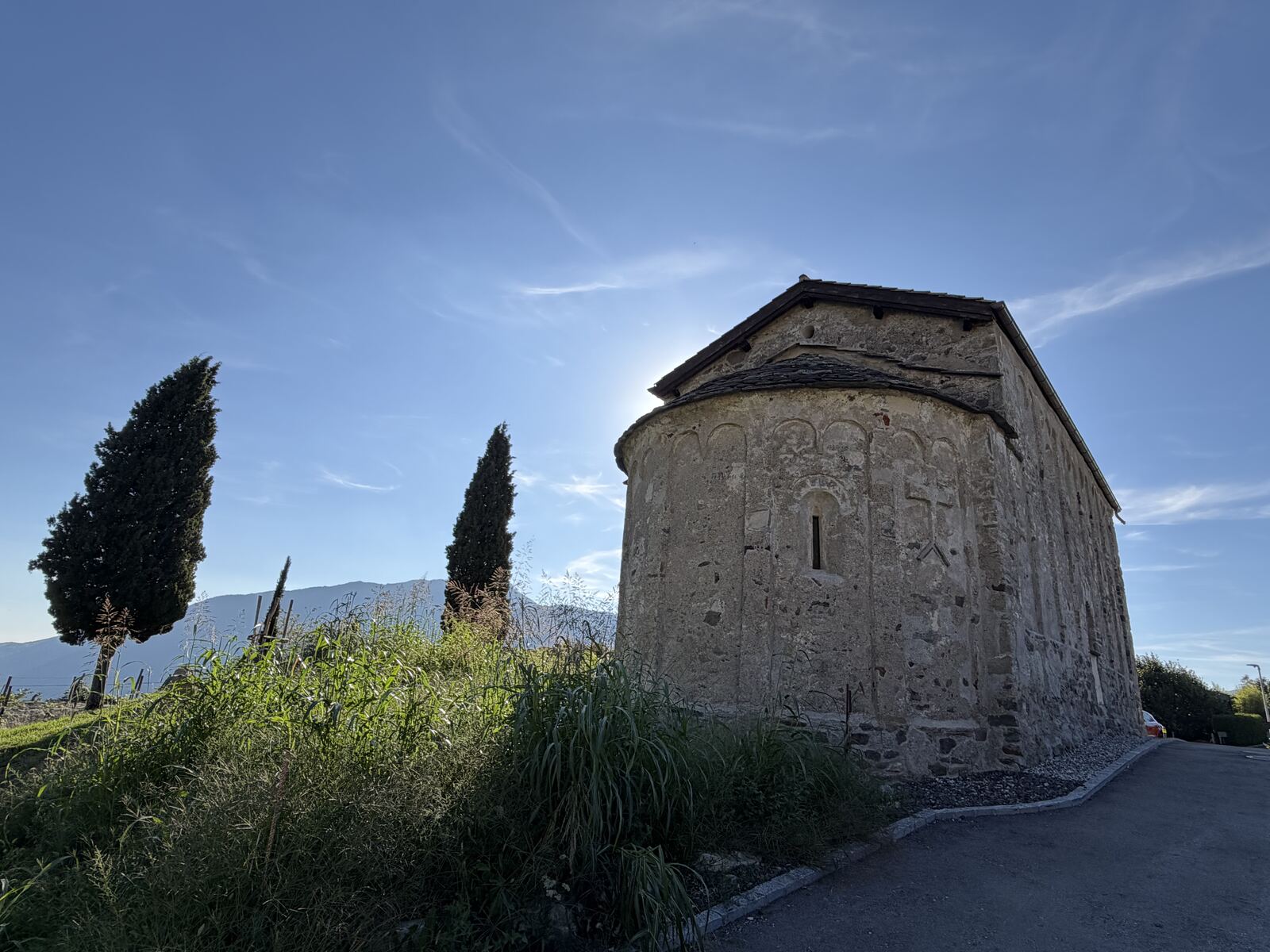
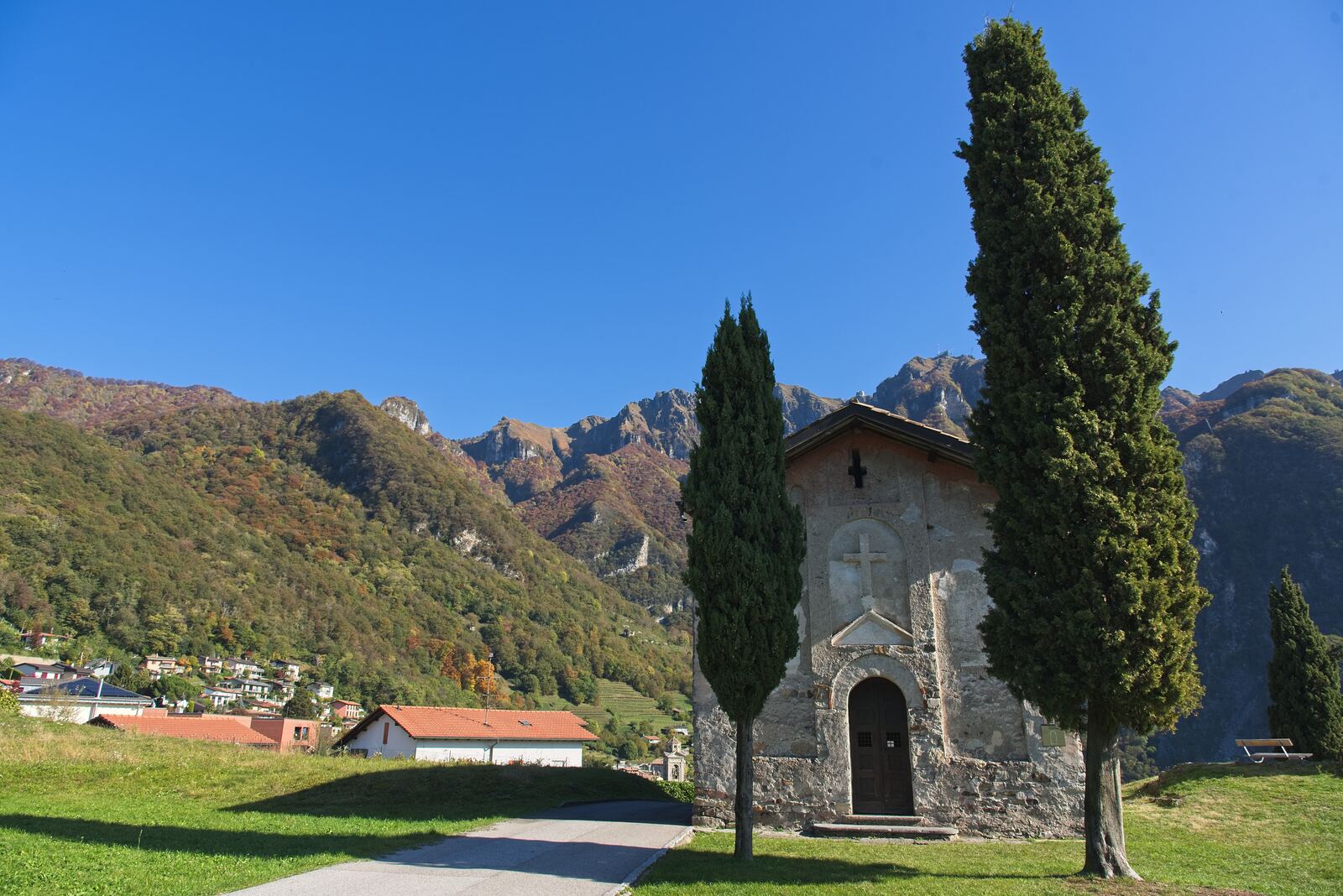
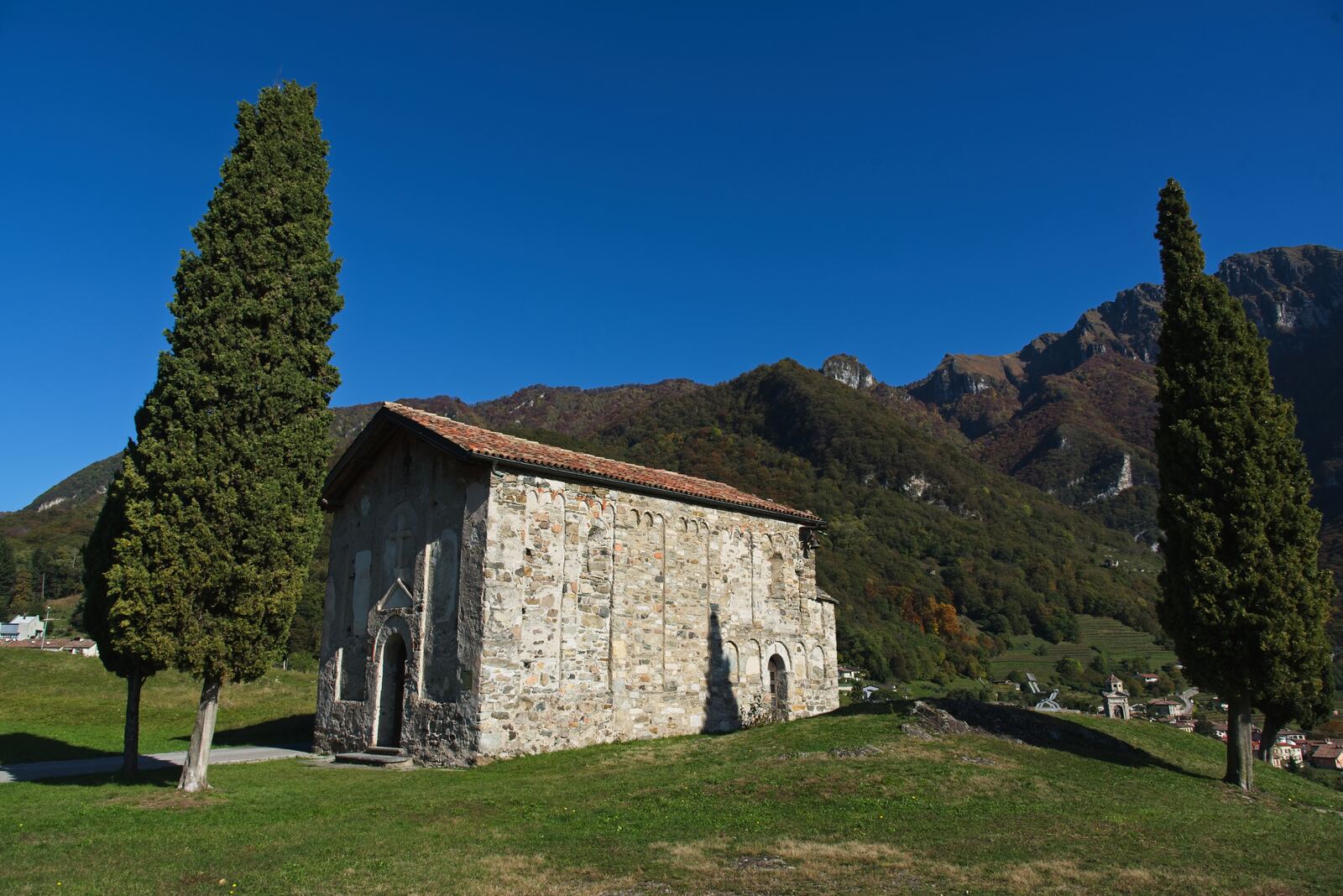
La piccola chiesa è stata eretta in posizione isolata, su un panoramico poggio a ovest del paese. Risalente alla prima metà dell’XI secolo ed eretta forse su una precedente costruzione religiosa, costituisce uno dei più interessanti esempi del romanico sottocenerino. La struttura muraria esterna è caratterizzata da arcatelle tripartite, alternate da lesene. Sul lato meridionale si apre un piccolo portale ad arco in sasso con quattro nicchie, forse tracce di un piccolo edificio premillenario. La navata unica è coperta con capriata a vista. L’abside è interamente decorata con affreschi della prima metà del XIII secolo, dal forte influsso bizantino. Nel catino, Cristo in Maestà racchiuso in una mandorla e attorniato dai quattro Evangelisti, la Madonna affiancata dai dodici apostoli. Lo zoccolo è adornato con un velario monocromo. Nella nicchia una statua di San Rocco attribuita a Pietro Mazzetti, dell’inizio del XVIII secolo.
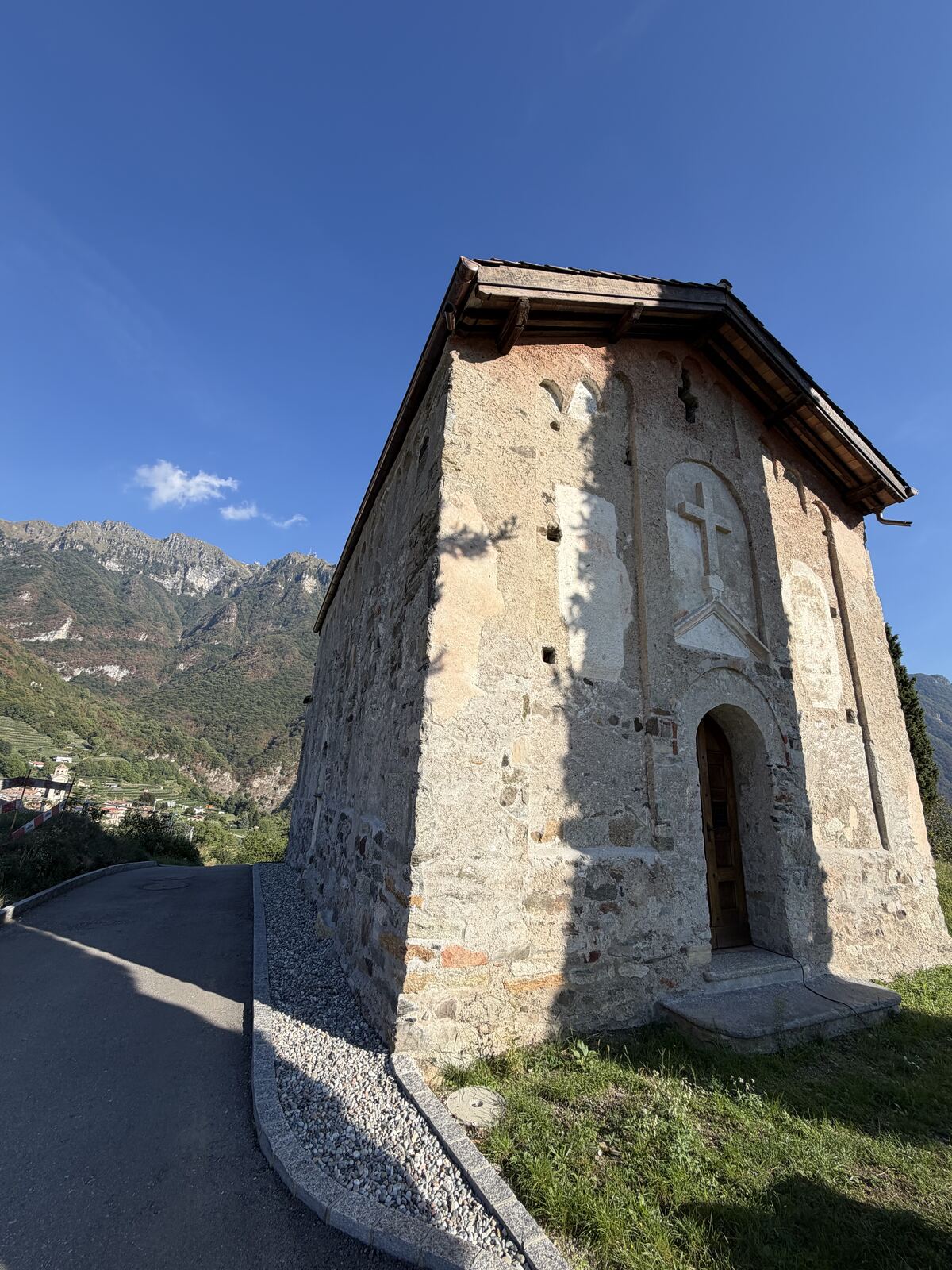
In periodo barocco la facciata fu dipinta di rosso, due affreschi di santi e una croce in rilievo centrale ne modificarono l’aspetto, archi e lesene lisciate con calce, fu chiusa la lunetta sopra la porta, il pavimento fu ricoperto con pianelle di cotto, fu costruito un nuovo altare in stucco lucidato. Nel 1837 due muratori di Rovio lo modificarono nuovamente. Al primo pavimento in cotto ne venne sovrapposto un secondo. Nel 1857, dopo un’epidemia di colera, venne aperto un arco nella parete sud e eretta una cappella votiva dedicata a San Rocco.
Nell’agosto del 1948 si iniziarono i lavori di restauro: la cappella di San Rocco, che era stata aggiunta sul lato sud, fu abbattuta, ricostruito il muro e riaperta la porticina laterale; l’altare maggiore barocco fu rimpiazzato con l’attuale, che riproduce l’antico altarino romanico, nell’abside fu riportato alla luce l’originario pavimento in pietra e, infine, restaurate le pitture da parte del pittore Tita Pozzi, ridando così a questo gioiello del romanico il suo aspetto originario che ancor oggi ammiriamo.
The parish church of San Vigilio
The small church was built in a secluded area on a panoramic hill west of the country. Dating back to the first half of the 11th century and perhaps built on top of a previous religious building, it is one of the most interesting examples of Romanesque “sottocenerino” (below the Ceneri) architecture. The outer wall structure is characterised by tripartite arches alternating with pilasters. On the southern side there is a small arched doorway made of stone with four niches, perhaps traces of a small premillennial building. The nave is covered with exposed trusses. The apse is decorated with frescoes from the first half of the 13th century, with a strong Byzantine influence. In the half-dome of the apse appears Christ in Majesty, and encased in an almond-shaped frame surrounded by the four Evangelists, is the Virgin Mary with the twelve apostles. The plinth is adorned with a monochrome curtain. In the niche stands a statue of San Rocco by Pietro Mazzetti, dating to the beginning of the 18th century.
During the Baroque period, the facade was painted red, with two frescoes of saints and a central cross in relief, which would change its appearance. The arches and pilasters were smoothed with lime, the lunette above the door was closed, the floor was covered with brick tiles, and a new altar was built in polished stucco. In 1837, two bricklayers from Rovio carried out further renovations. A second brick floor was superimposed on the first. In 1857, after an outbreak of cholera, an arch was opened in the south wall and a votive chapel was erected dedicated to Saint Rocco.
Restoration work began in August 1948. The chapel of San Rocco, which had been added on the south side, was torn down, the wall was rebuilt and the side door opened; the Baroque high altar was replaced with the current altar, which is a reproduction of the ancient Roman altar; in the apse, the original stone floor was unearthed and, finally, the paintings by the artist Tita Pozzi were restored, restoring this jewel of Romanesque architecture to its original appearance which we still admire today.
Die Kirche San Vigilio
Die kleine Kirche wurde in abgeschiedener Lage auf einer aussichtsreichen Anhöhe westlich des Dorfes errichtet. Sie stammt aus der ersten Hälfte des 11. Jahrhunderts, wurde vielleicht über einem früheren Sakralbau erbaut und ist eines der interessantesten Beispiele der Romanik im Sottoceneri. Das äussere Mauerwerk ist durch dreiteilige Blendbögen gegliedert, die mit Lisenen abwechseln. Auf der Südseite öffnet sich ein kleines Rundbogenportal aus Stein mit vier Nischen, vielleicht Spuren eines kleinen Baus aus der Zeit vor der Jahrtausendwende. Das einzige Schiff ist mit einem offenen Dachstuhl gedeckt. Die Apsis ist vollständig mit Fresken aus der ersten Hälfte des 13. Jahrhunderts mit starkem byzantinischem Einfluss geschmückt. In der Kalotte Christus in der Mandorla, umgeben von den vier Evangelisten, und die Madonna zwischen den zwölf Aposteln. Der Sockel ist mit einem einfarbigen Vorhangmotiv verziert. In der Nische eine Statue des heiligen Rochus, Pietro Mazzetti zugeschrieben, vom Anfang des 18. Jahrhunderts.
In der Barockzeit wurde die Fassade rot gestrichen; zwei Heiligenfresken und ein Reliefkreuz in der Mitte veränderten ihr Aussehen, Bögen und Lisenen wurden mit Kalk geglättet, die Lünette über der Tür geschlossen, der Boden mit Tonplatten belegt und ein neuer Altar aus poliertem Stuck gebaut. 1837 veränderten ihn zwei Maurer aus Rovio erneut. Über den ersten Tonboden wurde ein zweiter gelegt. 1857, nach einer Choleraepidemie, wurde in der Südwand ein Bogen geöffnet und eine dem heiligen Rochus geweihte Votivkapelle errichtet.
Im August 1948 begannen die Restaurierungsarbeiten: Die auf der Südseite angebaute Rochuskapelle wurde abgerissen, die Mauer neu aufgebaut und die kleine Seitentür wieder geöffnet; der barocke Hochaltar wurde durch den heutigen ersetzt, der den alten romanischen Altar nachbildet; in der Apsis kam der ursprüngliche Steinboden wieder zum Vorschein, und schliesslich restaurierte der Maler Tita Pozzi die Malereien und gab diesem Juwel der Romanik sein ursprüngliches Aussehen zurück, das wir noch heute bewundern.