RovioRovioRovio
SovagliaSovagliaSovaglia
Torrente Sovaglia
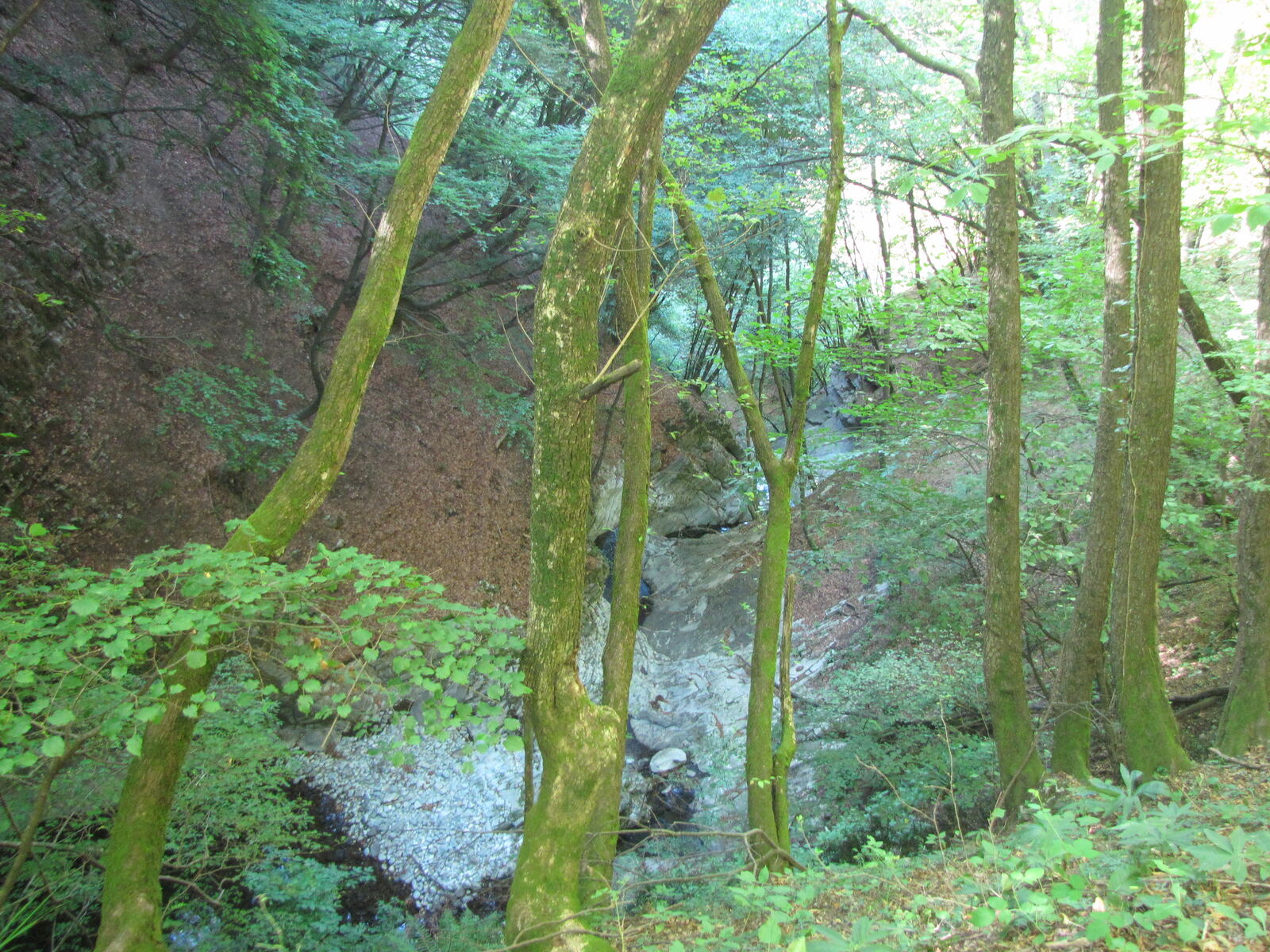
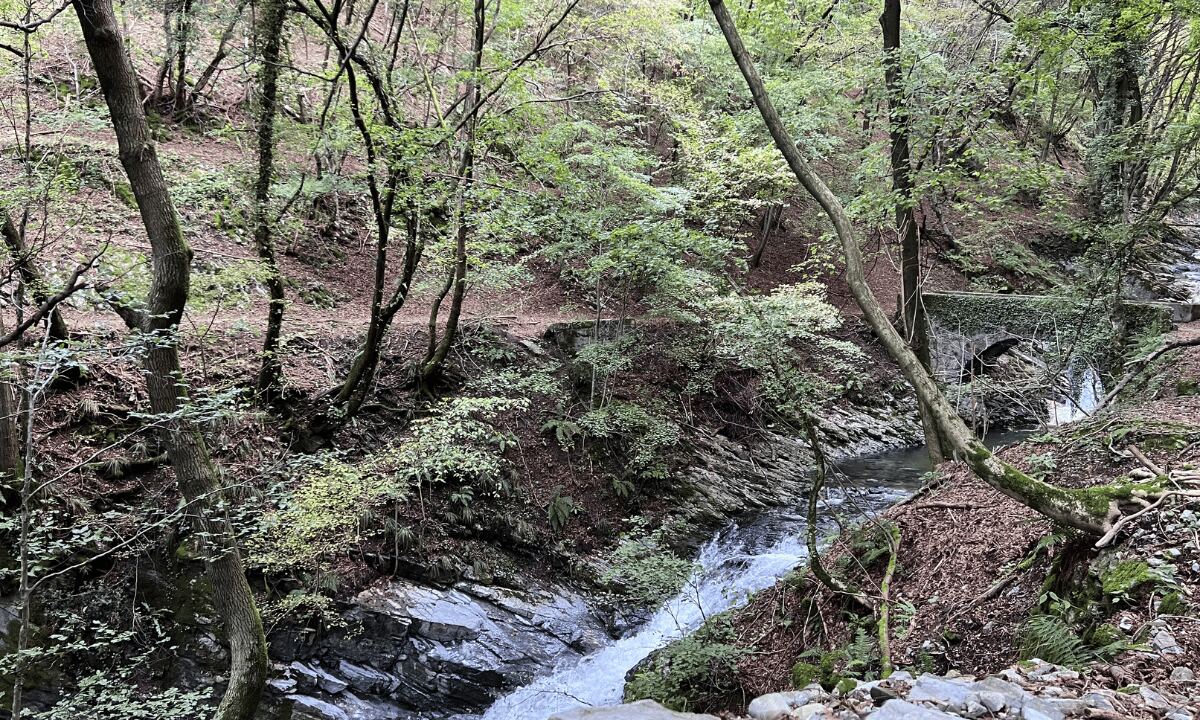
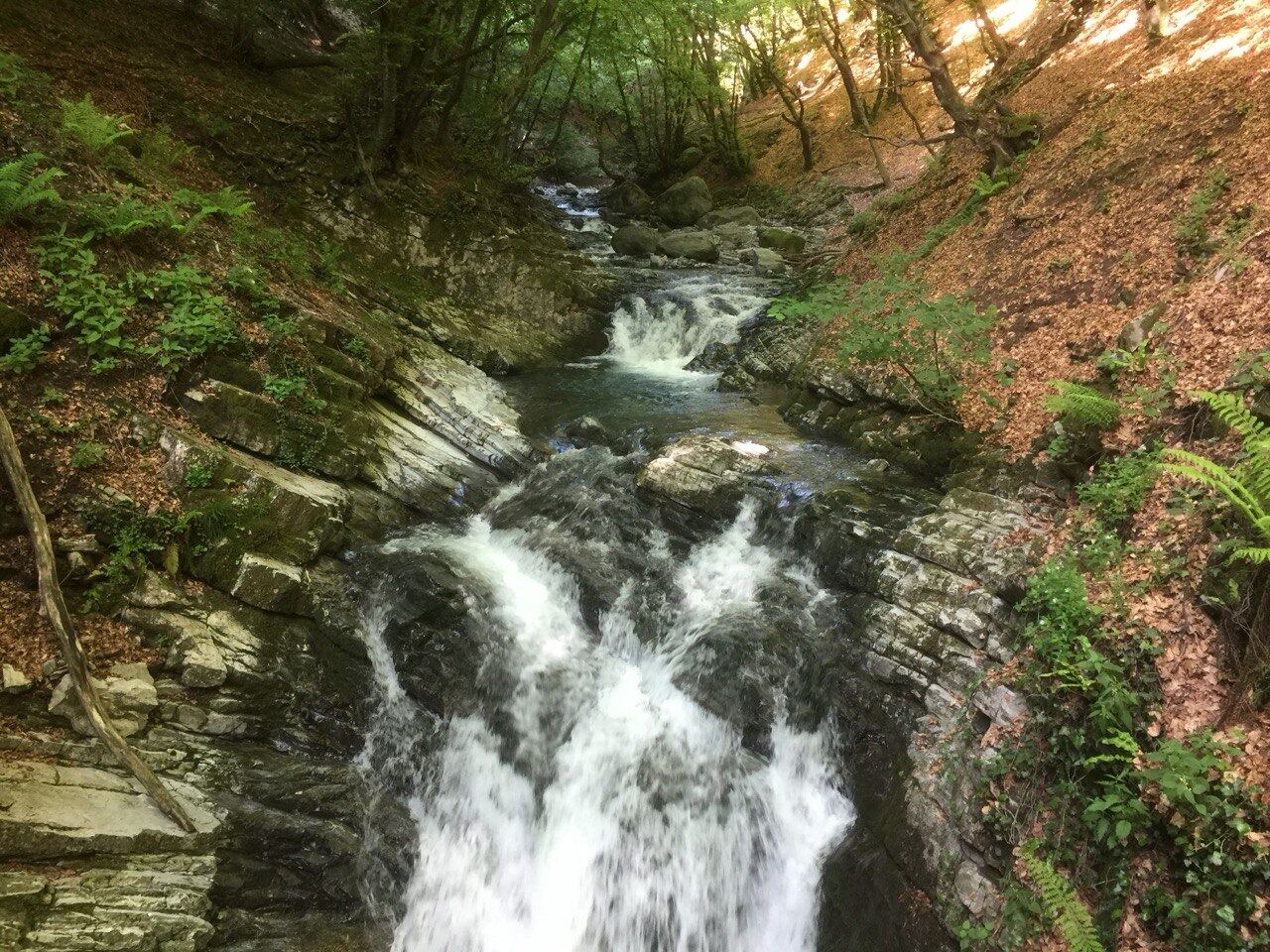
La Sovaglia è uno dei torrenti della Val Mara, nasce sul Monte Generoso e sfocia a Melano.
Lungo il suo percorso si trova la cascata del Botto, uno dei luoghi più suggestivi del nostro comprensorio, raggiungibile a piedi lungo il sentiero Rovio-Melano.
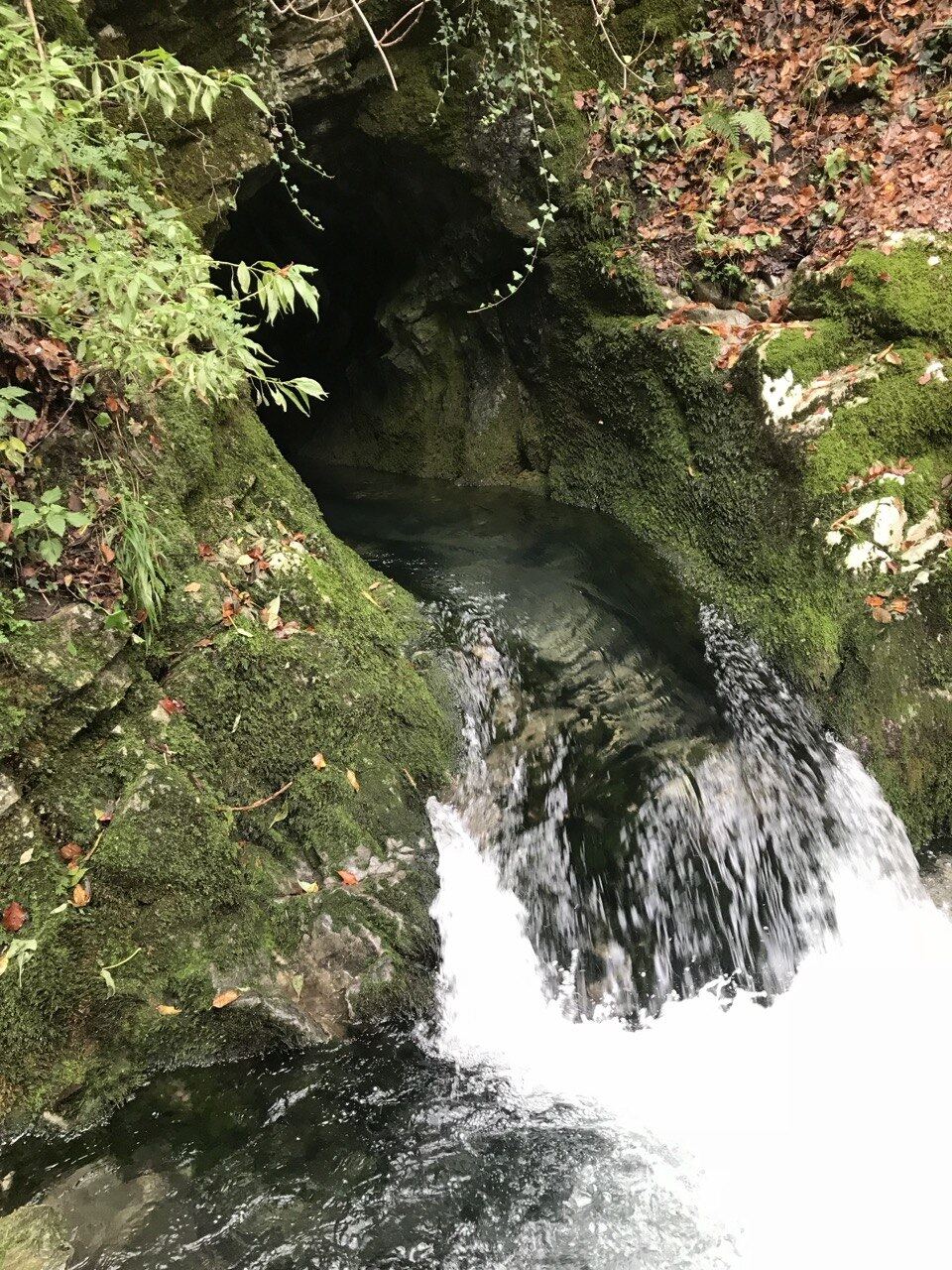
Alla sorgente della Sovaglia si trova il Buco della Sovaglia da cui scaturisce il torrente stesso:
Sovaglia stream
The Sovaglia is one of the streams of Val Mara: it rises on Monte Generoso and flows into the lake at Melano.
Along its course lies the Botto waterfall, one of the most striking places in our area, which can be reached on foot along the Rovio – Melano trail.
At the source of the Sovaglia is the Sovaglia hole, from which the stream itself springs:
Bach Sovaglia
Die Sovaglia ist einer der Bäche der Val Mara; sie entspringt am Monte Generoso und mündet bei Melano in den See.
An ihrem Lauf liegt der Wasserfall del Botto, einer der stimmungsvollsten Orte unserer Gegend, zu Fuss über den Wanderweg Rovio – Melano erreichbar.
An der Quelle der Sovaglia befindet sich das Sovaglia-Loch, aus dem der Bach selbst entspringt:
Il “Böcc” della Sovaglia
Situato in territorio di Rovio, a 690 metri di quota, raggiungibile attraverso un comodo e bel sentiero, il “Böcc” della Sovaglia si sviluppa per circa 500 metri, con un dislivello di 61 metri. La pittoresca sorgente è conosciuta da tempi remoti ma è documentata in fonti scritte solo dal 1851. Nel 1962 fu descritto e repertoriato tra le grotte del Ticino. Nel 1983, grazie a una eccezionale siccità, alcuni membri della Società Svizzera di Speleologia hanno scoperto nuove parti della grotta e nel 2005 ne è stata continuata l’esplorazione ed è stata pubblicata una descrizione dettagliata con il rilievo topografico. I dati raccolti evidenziano la complessità dei collegamenti nell’area carsica del Massiccio del Generoso. Il “Böcc” della Sovaglia, infatti, è la sorgente emergente di una rete idrica profonda che si estende dalla Cascina di Armirone (in Valle di Muggio), all’alta Valle della Breggia dove sono situate le grotte della Nevera e dell’Immacolata (in territorio di San Fedele d’Intelvi), le più importanti cavità finora esplorate nell’area carsica del Generoso.
La parte esplorata del “Böcc” della Sovaglia si sviluppa in prossimità della faglia del Generoso, lungo la quale si allineano tutte le maggiori sorgenti della parte settentrionale del massiccio. L’imbocco è costituito da un’entrata ovale che dà direttamente accesso a un ampio pozzo, profondo 20 metri. Attraverso una galleria si giunge al cosiddetto Lago 1; da qui, seguendo stretti passaggi, al Lago 2 da dove si può ancora proseguire fino a cunicoli intasati da frane e poco stabili. L’esplorazione e l’ingresso nel “Böcc” sono riservate a speleologi attrezzati e professionisti.
Nei periodi invernali e di grande siccità è stata ripetutamente osservata una forte corrente d’aria che entra nel labirinto. Si è poi scoperto che questa corrente d’aria proviene dall’aspirazione lungo il camino ascendente situato dopo il Lago 1. Si suppone che l’aria in entrata possa provenire da condotti non allagati sinora sconosciuti o da frane esterne.
Ad oggi l'origine della falda della sorgente resta un mistero.
The “mouth” of Sovaglia
Situated in the territory of Rovio, 690 metres above sea level and able to be reached via an easy and pleasant path, the “mouth” of Sovaglia runs for about 500 metres and reaches a height of 61 metres. The picturesque spring has been known since ancient times, but it has only been documented in written sources since 1851. In 1962 it was described and indexed among the caves of Ticino. In 1983, as a result of an exceptional drought, some members of the Swiss Speleological Society discovered new parts of the cave, and in 2005 exploration continued and the results were published in a detailed topographic survey. The data collected show the complexity of the links in the karst of the Generoso massif. The “mouth” of Sovaglia is, in fact, the source emerging from an deep and intricate network that extends the Cascina Armirone (in the Muggio Valley), to the high Breggia Valley, where the caves are located on the Nevera and the Immacolata (in the San Fedele Intelvi area), the most important area of Generoso karst caves that has been explored so far.
The explored part of the “mouth” of Sovaglia develops in proximity to the fault of the Generoso Massif, along which all the major sources of the northern part of the massif are aligned. The entrance comprises an oval entrance which provides direct access to a large pit that is 20 metres deep. A tunnel leads to the so-called Lake 1, from which the narrow passages take you to Lake 2, where you can still go on to dead-end passages blocked by landslides and which are relatively unstable. Exploring and entering the “Böcc” is reserved for equipped speleologists and professionals.
A strong current of air has been repeatedly observed entering the maze in winter and during periods of severe drought. It was later discovered that this air current comes from aspiration air that rises up the chimney located just beyond Lake 1. It is assumed that the incoming air comes from undiscovered non-flooded channels or from cave-ins.
Until now, the source of the water source still remains a mystery.
Der «Böcc» della Sovaglia
Der «Böcc» della Sovaglia liegt auf dem Gebiet von Rovio auf 690 Metern Höhe, erreichbar über einen bequemen, schönen Weg, und erstreckt sich über rund 500 Meter mit einem Höhenunterschied von 61 Metern. Die malerische Quelle ist seit alter Zeit bekannt, in schriftlichen Quellen aber erst seit 1851 belegt. 1962 wurde sie beschrieben und in das Verzeichnis der Tessiner Höhlen aufgenommen. 1983 entdeckten einige Mitglieder der Schweizerischen Gesellschaft für Höhlenforschung dank einer aussergewöhnlichen Trockenheit neue Teile der Höhle; 2005 wurde die Erforschung fortgesetzt und eine ausführliche Beschreibung mit topografischer Vermessung veröffentlicht. Die gesammelten Daten zeigen, wie komplex die Verbindungen im Karstgebiet des Generoso-Massivs sind. Der «Böcc» della Sovaglia ist nämlich die Austrittsquelle eines tiefen Wassernetzes, das sich von der Cascina di Armirone (im Valle di Muggio) bis zum oberen Breggia-Tal erstreckt, wo die Höhlen Nevera und Immacolata liegen (auf dem Gebiet von San Fedele d’Intelvi), die wichtigsten bisher erforschten Hohlräume im Karstgebiet des Generoso.
Der erforschte Teil des «Böcc» della Sovaglia verläuft nahe der Generoso-Verwerfung, entlang der sich alle grösseren Quellen des nördlichen Teils des Massivs aufreihen. Der Zugang besteht aus einem ovalen Eingang, der direkt in einen weiten, 20 Meter tiefen Schacht führt. Durch einen Gang gelangt man zum sogenannten See 1; von dort über enge Passagen zum See 2, von wo man noch bis zu von Einstürzen verstopften, wenig stabilen Gängen weitergehen kann. Die Erforschung und das Betreten des «Böcc» sind ausgerüsteten Höhlenforschern und Fachleuten vorbehalten.
In Winterzeiten und bei grosser Trockenheit wurde wiederholt ein starker Luftstrom beobachtet, der in das Labyrinth eindringt. Später stellte sich heraus, dass dieser Luftstrom vom Sog im aufsteigenden Kamin hinter dem See 1 herrührt. Man vermutet, dass die eintretende Luft aus bisher unbekannten, nicht gefluteten Gängen oder von Einstürzen ausserhalb stammt.
Bis heute bleibt der Ursprung des Quellwassers ein Rätsel.